FAQs
- Home
- FAQs
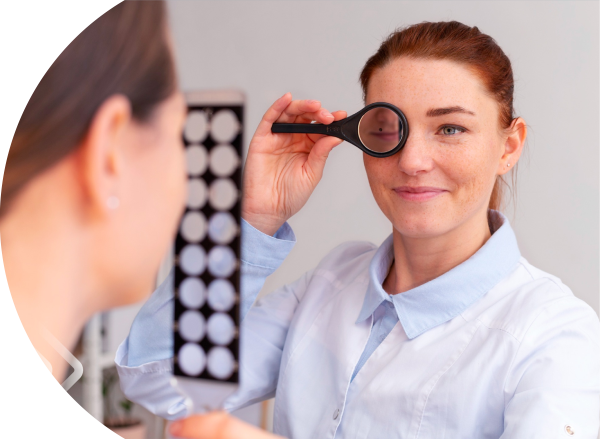

While not all eye conditions can be prevented, regular eye check-ups, a healthy diet, proper eye protection, and managing conditions such as diabetes and hypertension can significantly reduce the risk of many eye diseases.
Please bring your previous eye prescriptions, medical records, current medications, and any glasses or contact lenses you use. This information helps the doctor assess your eye health more accurately.
It is recommended that adults undergo a comprehensive eye examination every 1–2 years. Regular check-ups help detect vision changes and eye conditions such as glaucoma, cataracts, and retinal disorders at an early stage.
Symptoms such as blurred vision, eye pain, redness, frequent headaches, excessive tearing, floaters, or sensitivity to light may indicate an underlying eye condition. If you experience any of these symptoms, it is advisable to consult an eye specialist promptly.
Yes, cataracts can be effectively treated through surgery. During the procedure, the cloudy natural lens is removed and replaced with a clear artificial lens, helping restore vision and improve quality of life.
LASIK is a widely performed and safe vision correction procedure for suitable candidates. A detailed eye evaluation is conducted beforehand to determine eligibility and ensure the best possible outcome.
While some hospitals may accommodate walk-in patients, scheduling an appointment is recommended. It helps minimize waiting time, ensures availability of the specialist, and allows for a smoother consultation experience.